
Why Traditional Foods Like Panjeeri Are Making a Modern Comeback From homemade to health industry trend
- Desi Panjeeri Team

- Nov 2, 2025
- 5 min read
Introduction: Old Wisdom in a New World
In a world obsessed with superfoods, supplements, and protein powders, something remarkable is happening — people are turning back to their roots. Traditional foods, once seen as outdated or “grandmother recipes,” are now being rediscovered by a generation that values authenticity, balance, and natural nourishment.
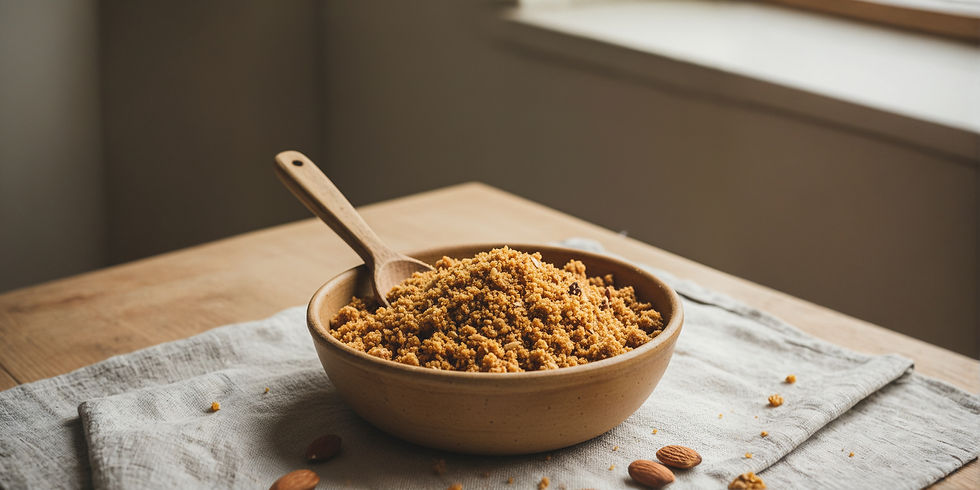
Among these cultural revivals stands Panjeeri — a centuries-old South Asian delicacy made from roasted wheat flour, ghee, nuts, and seeds. Once reserved for new mothers and cold winters, this humble dish is now gaining popularity among health enthusiasts, nutritionists, and even global wellness brands.
But why? What makes foods like Panjeeri suddenly relevant in our modern kitchens again? The answer lies at the intersection of health, culture, and mindfulness.
The Return to Roots: A Reaction to Fast Food Culture
The modern food industry thrives on speed — instant noodles, pre-packaged meals, energy bars, and quick fixes. Yet, as convenience grows, so does disconnection: from where our food comes from, how it’s made, and what it truly does for our bodies.
Traditional recipes like Panjeeri are the antidote to that disconnection. They represent real food — made from whole, recognisable ingredients that have nourished families for generations.
In South Asian households, Panjeeri wasn’t just a snack; it was a form of medicine. Mothers and grandmothers tailored each batch to the needs of the person — adding almonds for strength, fennel for digestion, or poppy seeds for calmness. Every ingredient had a purpose, and nothing was wasted.
As people around the world grow more aware of processed foods’ long-term impacts, there’s a natural desire to return to simpler, ancestral recipes. What was once a domestic tradition is now a wellness revolution.
From Kitchen Ritual to Health Trend
It’s not just nostalgia driving the comeback — it’s science and sustainability. Nutritionists today are recognising that many traditional dishes embody the same principles modern health movements promote: balance, whole foods, and functional nutrition.
Panjeeri, for example, is rich in healthy fats from ghee, complex carbohydrates from whole wheat, and essential minerals from nuts and seeds. It provides sustained energy, making it a far better breakfast or snack option than most store-bought alternatives.
Wellness influencers are sharing modern versions — vegan, gluten-free, or sugar-free — adapting the old to fit new lifestyles. Meanwhile, health brands are introducing “Panjeeri-inspired energy bites”, “Ayurvedic granolas”, and “desi protein mixes” to global markets.
What was once slow-cooked at home by hand is now being bottled, branded, and marketed — proof that traditional wisdom still holds power, even in modern packaging.

The Cultural Shift: Pride in Heritage
For years, many diaspora communities saw their native foods as something to hide or simplify. But that’s changing. There’s now a growing sense of pride in cultural cuisine — not just for taste, but for identity.
On social media, younger South Asians are showcasing recipes their grandmothers made, turning them into viral food trends. Panjeeri jars with hand-stitched labels, homemade laddoos packed in eco-friendly boxes, and reels showing mothers teaching their children old recipes — these images are reclaiming heritage in a digital age.
This revival is about more than food. It’s about rediscovering roots, connecting generations, and redefining “healthy” through a cultural lens. In that sense, Panjeeri isn’t just making a comeback; it’s becoming a symbol of cultural mindfulness and belonging.
Ancient Ingredients, Modern Benefits
What makes Panjeeri and similar traditional foods so timeless is their nutritional wisdom — a balance of macronutrients, healing herbs, and seasonal awareness.
Let’s break down what modern science now appreciates about its key ingredients:
Whole wheat flour – high in fibre and slow-release carbs that provide steady energy.
Ghee – a natural fat rich in butyrate and fat-soluble vitamins, known for improving digestion.
Nuts and seeds – sources of protein, magnesium, and healthy fats that support brain and heart health.
Spices like cardamom and fennel – natural digestive aids and mood enhancers.
Today’s health research validates much of what our ancestors intuitively knew. What’s changing is not the ingredients, but our understanding — we’re finally catching up to their wisdom.
A Response to Burnout and Overstimulation
It’s no coincidence that slow, grounding foods are reappearing in an age of burnout. Traditional foods like Panjeeri are not just physically nourishing — they offer emotional comfort.
Preparing Panjeeri requires slowing down: roasting, stirring, and waiting. It’s meditative — a rare pause in the chaos of modern life. Eating it, too, carries nostalgia and calm — the taste of home, care, and familiarity.
This is why, beyond being a “superfood,” Panjeeri has become a symbol of mindful living. It represents the slower, simpler way of life many people crave amid constant notifications, deadlines, and digital noise.
From Home Kitchens to Health Markets
The wellness industry has taken note of this cultural revival. Small South Asian businesses, especially those run by women, are turning family recipes into entrepreneurial ventures.
From handmade Panjeeri jars sold online to modernised versions made with organic ingredients and stylish packaging, there’s a thriving market for authenticity. Global consumers are seeking “ancient recipes with a story” — food that’s both nutritious and meaningful.
Even fitness coaches and dieticians are recommending Panjeeri-like snacks as post-workout fuel, reframing them as “functional traditional foods.”The health world, it seems, is rediscovering what grandmothers always knew: real nourishment is holistic — it feeds the body, the mind, and the heart.

The Balance Between Modern and Traditional
While modern reinterpretations help make traditional foods accessible, there’s also a fine line. The essence of dishes like Panjeeri lies in their cultural integrity — in how they’re made, shared, and respected.
So while it’s exciting to see it reimagined in protein bar form, it’s equally important to honour its origins — the slow cooking, the family recipes, the rituals behind it. Modern wellness can coexist with ancient wisdom, as long as the latter isn’t lost in the rush to commercialise it.
Conclusion: The Future of Food Is in the Past
The comeback of Panjeeri and other ancestral foods is not a passing trend — it’s a movement towards balance. It reminds us that the future of nutrition doesn’t always lie in innovation but sometimes in reconnection — with our roots, our kitchens, and our patience.
As we look forward, it’s worth remembering that progress doesn’t always mean newness. Sometimes, it means returning to what was already perfect — simple, slow, and full of love.
So the next time you scoop a spoonful of warm Panjeeri, remember: you’re tasting more than food. You’re tasting heritage, resilience, and a legacy that continues to nourish across centuries.
Disclaimer
While Panjeeri has traditional associations with health and postpartum recovery, its benefits are based on cultural practice rather than scientific evidence. It should not replace professional medical or dietary advice.

Comments