
The Science Behind Panjeeri’s Warmth: Why Your Body Loves It in Cold Climates
- Desi Panjeeri Team

- Dec 14, 2025
- 4 min read
Introduction: Why We Crave Warm Foods in Winter
As soon as temperatures drop, our bodies naturally look for warmth. We crave hot drinks, richer meals, and comforting foods that make us feel cosy from the inside. This isn’t just emotional — it’s biological. In cold climates, the body burns more energy to maintain its core temperature. That’s where thermogenic foods come in.
For centuries, South Asian households have relied on panjeeri as a winter staple. Traditionally given to new mothers, children, and elders, panjeeri is more than comfort food. Its ingredients actively support heat production, digestion, and sustained energy — exactly what the body needs when it’s cold outside.
What Is Thermogenesis? (In Simple Terms)
Thermogenesis is the process by which your body produces heat. There are three main ways this happens:
Basal metabolism – the energy you burn just to stay alive
Physical activity – movement and exercise
Diet-induced thermogenesis – heat produced while digesting food
Certain foods increase diet-induced thermogenesis. They make digestion slightly more energy-intensive, helping the body stay warmer and burn fuel more efficiently. Panjeeri is full of these ingredients.
Ghee: The Heat-Producing Fat
Ghee is the foundation of panjeeri, and for good reason.
From a scientific point of view:
Ghee contains medium-chain fatty acids that are easily absorbed
These fats are quickly converted into energy rather than stored
Fat digestion itself increases thermogenesis
In traditional medicine, ghee is considered warming because it:
Supports metabolism
Nourishes tissues
Helps the body retain internal heat
In cold weather, fat is essential. Completely low-fat diets can actually make people feel colder and more tired. Panjeeri provides healthy fat in a balanced form, helping the body stay warm without heaviness.

Warming Spices: Small Amounts, Big Impact
Spices are one of the most powerful thermogenic elements in panjeeri.
Ginger
Contains gingerol, which increases heat production
Improves circulation, especially to hands and feet
Helps with digestion, which is often slower in winter
Cinnamon
Helps regulate blood sugar
Improves metabolic efficiency
Creates a mild warming effect after meals
Cardamom
Supports digestion and reduces bloating
Helps the body process heavier foods more comfortably
These spices don’t just “feel” warm — they signal the body to increase metabolic activity, producing internal heat naturally.
Nuts & Seeds: Fuel for Cold Weather
Panjeeri typically includes almonds, walnuts, pistachios, melon seeds, or pumpkin seeds.
Scientifically speaking:
Nuts are energy-dense, ideal when calorie needs increase in winter
Protein digestion increases thermogenesis more than carbs
Healthy fats slow digestion, providing steady warmth and energy
In cold climates, quick snacks like biscuits or sugary foods cause short energy spikes followed by crashes. Nuts in panjeeri provide slow-release fuel, helping the body stay warm for longer periods.
Natural Sweeteners & Energy Balance
Traditional panjeeri uses unrefined sugars like jaggery or natural sweetness from ingredients rather than white sugar.
Why this matters:
Sudden blood sugar spikes can actually make you feel colder later
Stable blood sugar supports consistent metabolic heat
Natural sugars combined with fat and protein digest more slowly
This balance prevents the “sugar crash” that leaves you tired, cold, and craving more food.
Digestion & Warmth Are Closely Linked
In many traditional systems, digestion is considered the body’s internal fire. Modern science supports this idea.
When digestion is weak:
Food ferments instead of breaking down properly
Nutrient absorption drops
Energy and heat production decrease
Panjeeri supports digestion through:
Ghee (lubricates and supports gut lining)
Spices (stimulate digestive enzymes)
Simple, whole ingredients (easy to process)
Better digestion = more efficient thermogenesis.
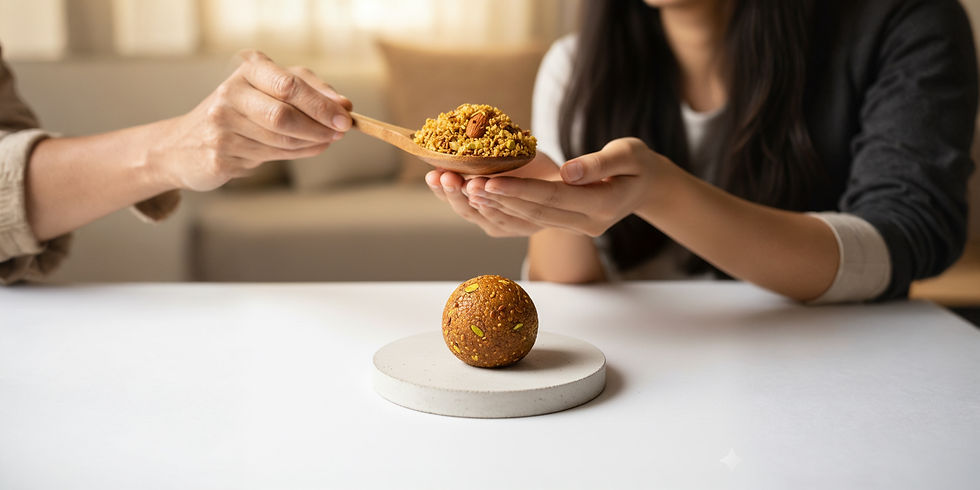
Why Panjeeri Feels Especially Good in Cold Climates
People living in colder countries often experience:
Slower metabolism in winter
Reduced sunlight and energy levels
Increased cravings for comfort foods
Panjeeri addresses all three:
Provides warmth through thermogenic ingredients
Supports energy without caffeine
Feels emotionally comforting while being nutritionally dense
This is why many people living abroad describe panjeeri as “a spoon of warmth” or “food that hugs you from inside.”
Panjeeri vs Modern Winter Snacks
Many modern winter snacks:
Are high in refined sugar
Provide quick calories but low nutrition
Increase inflammation rather than warmth
Panjeeri, on the other hand:
Supports metabolic heat naturally
Provides nourishment rather than empty calories
Keeps you warm without overstimulating the body
It works with your biology, not against it.
How to Eat Panjeeri for Maximum Warmth
To get the most thermogenic benefit:
Consume 1–2 tablespoons, not large portions
Best taken in the morning or early evening
Pair with warm milk or herbal tea if desired
Consistency matters more than quantity. Small daily amounts support steady warmth and energy.
Final Thoughts: Ancient Wisdom, Modern Science
Panjeeri isn’t just a cultural tradition — it’s a functional winter food. Long before the word “thermogenesis” existed, people understood that certain ingredients help the body stay warm, nourished, and balanced in cold climates.
Modern nutrition science now confirms what tradition always knew:
Warm fats
Digestive spices
Balanced energy
Together, they create a food that your body genuinely loves when temperatures drop.
Disclaimer
This article is for educational and informational purposes only and does not constitute medical or nutritional advice. Individual dietary needs may vary. Please consult a healthcare professional before making significant changes to your diet.


Comments