
Can Panjeeri Replace Standard Energy Gels for Runners?
- Desi Panjeeri Team

- Dec 4, 2025
- 4 min read
Sports Science Meets Desi Nutrition
For long-distance runners, fuelling is as important as training. The body relies heavily on carbohydrates to maintain energy levels during endurance exercise, which is why energy gels have become a common part of running culture. They deliver a quick dose of simple sugars, are easy to consume mid-run, and are designed to be absorbed rapidly.
But as more athletes explore traditional and culturally rooted foods, an interesting question emerges: could Panjeeri—a classic South Asian energy blend—serve as an alternative to standard energy gels?This question brings sports science and Desi nutrition together, offering a fresh perspective on what runners can fuel with.
What Exactly Is Panjeeri?
Panjeeri is a traditional mixture usually made from:
roasted whole wheat flour or semolina
nuts (almonds, pistachios, cashews)
seeds (like pumpkin or lotus seeds)
desi ghee
natural sweeteners such as jaggery or sugar
In South Asian households, it is known as a strengthening food—often given to new mothers, growing children, or anyone needing nourishment after illness. Its reputation comes from:
high caloric density
sustained-release carbohydrates
healthy fats
protein and micronutrients
At first glance, this seems very different from the sticky, syrup-like energy gels runners squeeze from a pouch. Yet both foods share a purpose: fuel and recovery.
Understanding What Runners Need
During long runs—generally anything over 60–90 minutes—the body burns through stored glycogen. Runners need replacement carbohydrates at a rate of roughly 30–60 grams per hour (up to 90g for elite athletes), depending on intensity.
Energy gels are designed to meet these needs:
quick-digesting carbohydrates
small and portable
minimal fibre and fat to avoid digestive stress
predictable absorption rate
So, how does Panjeeri compare?
Nutritional Breakdown: Panjeeri vs Energy Gels
1. Carbohydrates
Energy gels:Usually contain 20–25g of simple sugar per gel. These sugars—like glucose, fructose, or maltodextrin—are rapidly absorbed.
Panjeeri:Provides a mix of simple and complex carbs.For example:
jaggery → fast energy
roasted flour → slower release
This combination gives more stable energy but is not as instantly available as gel sugars.
2. Fats
Panjeeri contains ghee and nuts, making it high in healthy fats.
During long runs, fat can be used as a secondary energy source, but fat slows digestion, making Panjeeri riskier for athletes with sensitive stomachs during intense exercise.
Energy gels contain almost no fat, by design.
3. Protein
Panjeeri includes small amounts of protein from nuts and seeds.Energy gels have nearly none.
Protein is not essential mid-run but supports recovery and stabilises blood sugar.
4. Fibre
The nuts, seeds, and flour add fibre to Panjeeri.This is good for daily nutrition but may cause digestive discomfort during long runs.
Energy gels purposely contain almost zero fibre.
5. Micronutrients
Panjeeri offers natural vitamins and minerals such as:
magnesium
calcium
potassium
iron
Gels rarely provide micronutrients unless specifically fortified.
Conclusion:Panjeeri is nutritionally richer and more wholesome. Gels are engineered for performance efficiency and digestive ease.

Can Panjeeri Be Used During a Run?
This depends on the run length, intensity, and the runner’s stomach tolerance.
Pros
More natural ingredients
Slow and sustained energy release
No artificial additives
A cultural alternative that feels comforting and familiar
Cons
Not designed for rapid absorption
High fat content may slow digestion
Harder to carry while running
Texture is not ideal for eating while moving
Could cause cramps if eaten too close to or during high-intensity running
For short or moderate runs, especially under 90 minutes, small amounts of Panjeeri may work well as pre-run fuel.But during a long-distance race, most athletes need fast carbohydrates, which Panjeeri does not provide as efficiently.
Where Panjeeri Fits Best: Pre-Run and Recovery
Most sports nutritionists agree that traditional energy-dense foods are excellent when used before and after running, rather than during.
Before a Run
Eating Panjeeri 1–2 hours before a run can:
build glycogen stores
provide a steady energy release
reduce hunger during long sessions
Because it contains fats and proteins, it helps maintain blood sugar for longer.
After a Run
Panjeeri is excellent for recovery:
carbohydrates replenish glycogen
nuts and seeds provide protein and minerals
ghee supports joint and muscle recovery
natural sugars help restore energy
It acts almost like a homemade energy bar when eaten post-workout.
Can We Modify Panjeeri to Suit Runners Better?
If the goal is to use Panjeeri as a direct replacement for energy gels, slight modifications can help:
1. Reduce fat content
Less ghee means lighter digestion.
2. Make a softer, gel-like version
Some athletes blend:
jaggery
a small amount of roasted flour
dates
warm water
This creates a portable, smoother mix.
3. Increase fast-digesting carbs
Adding:
dates
raisins
honey
jaggery syrup
makes the energy more quickly available.
4. Avoid too much fibre
Go easy on nuts and seeds for intra-run consumption.
5. Pack it smartly
Small silicone pouches or mini containers can make it easier to carry during long runs.
With modifications, it becomes closer in function to a natural energy gel—though still not as scientifically engineered for peak performance.
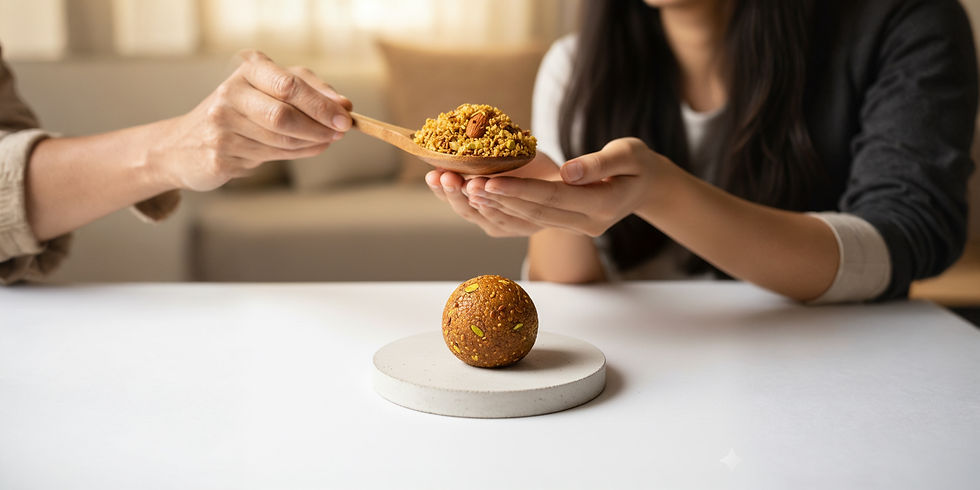
So, Can Panjeeri Replace Energy Gels?
For everyday runners:Yes, it can serve as a nutritious alternative in many contexts—especially pre-run and post-run.
For competitive long-distance running:Not fully.Energy gels are still superior during the actual run because they:
digest almost instantly
provide predictable carbohydrate doses
minimise stomach load
are optimised for performance
However, runners who prefer natural nutrition or avoid processed gels may find modified Panjeeri blends useful, particularly during training sessions rather than races.
The Balanced Answer
Panjeeri and energy gels serve similar purposes but through entirely different nutritional philosophies.
Energy gels: engineered for fast energy, racing efficiency, and stomach comfort.
Panjeeri: rooted in tradition, nourishing, whole-food-based, and ideal for sustained energy and recovery.
Rather than one replacing the other, many runners may benefit from using both:
Panjeeri to build energy beforehand and support recovery afterwards
Energy gels for intense or competitive moments where speed matters
This hybrid approach respects both sports science and cultural nutrition.


Comments