
Building Trust Through Tradition: The Power of Cultural Branding
- Desi Panjeeri Team

- Nov 21, 2025
- 4 min read
In an increasingly competitive wellness landscape, one factor stands out above trends, hashtags, and marketing tactics: authenticity. Consumers today are more informed than ever. They read labels, evaluate sourcing, question brand values, and choose products that align with their identity and beliefs.
This shift has opened a powerful space for traditional foods and cultural wellness practices—especially those rooted in generations of knowledge. Whether it’s Ayurvedic tonics, herbal teas, Panjeeri, desi ghee, fermented foods, or traditional grains, people are rediscovering the wisdom of their ancestors and seeking brands that reflect this authenticity.
Cultural branding has become one of the strongest tools for building trust in the wellness industry. Rooted in tradition yet presented with modern relevance, culturally aware brands bridge the emotional gap between past and present.
1. The Rise of Authenticity in Wellness
Wellness is no longer just about “feeling good.” It’s about:
Healing
Nourishment
Prevention
Lifestyle alignment
Emotional wellbeing
People gravitate towards products that feel real, intentional, and meaningful. In this environment, authenticity is not a branding choice—it’s a necessity.
Traditional foods naturally hold this authenticity because they carry:
History
Family stories
Cultural rituals
Generational trust
When brands highlight these roots, consumers instantly connect with something familiar, credible, and emotionally grounded.
2. Cultural Branding: What It Really Means
Cultural branding is not about decoration or aesthetic packaging. It goes deeper.
It means:
Using storytelling that honours heritage
Respecting the origin of ingredients
Preserving traditional preparation values
Highlighting cultural rituals and symbolism
Connecting modern lifestyles with ancestral practices
Showing pride in identity without appropriation
It allows brands to stand for something bigger than a product. They stand for connection, tradition, family, memories, and cultural unity.
When done right, cultural branding becomes a bridge between generations—especially for diaspora audiences seeking familiarity in a global world.
3. Why Authenticity Sells in the Wellness Industry
Emotional Connection
Traditional foods evoke nostalgia and comfort. Whether someone grew up with Panjeeri in winter or herbal kadha during flu season, the emotional memory plays a powerful role in purchase decisions.
Proven Wisdom
Wellness consumers trust what has stood the test of time.If generations relied on a food for strength, immunity, or healing, that heritage becomes a badge of credibility.
Transparency & Trust
Today’s buyers crave transparency:
Where does the product come from?
How is it prepared?
Who is behind the brand?
Cultural branding answers these questions naturally by emphasising real stories and real people.
Differentiation in a Crowded Market
Modern wellness can sometimes feel repetitive—smoothies, powders, granola, supplements.Authentic cultural foods stand out because they offer something different and deeply rooted.
The Desire to Reconnect
Especially among second-generation diaspora consumers, cultural branding taps into a longing for home, identity, and belonging.

4. Storytelling: The Heart of Cultural Branding
When someone buys Panjeeri from a brand like yours, they aren’t just buying food—they’re buying meaning.
Storytelling helps create this meaning through:
Family recipes passed down through generations
The symbolism of winter foods
Memories of mothers and grandmothers preparing nourishing mixtures
Rituals surrounding festivals, postpartum care, or seasonal changes
Regional ingredients and their history
These stories build emotional loyalty, turning one-time buyers into long-term supporters.
5. The Modern Presentation of Tradition
While tradition builds trust, modern branding gives it relevance.
Wellness consumers expect:
Clean premium packaging
Minimal aesthetics
Clear ingredient lists
Eco-conscious materials
Easy-to-understand benefits
Safe and hygienic preparation
This fusion of old and new makes traditional foods feel contemporary, accessible, and credible to global markets.
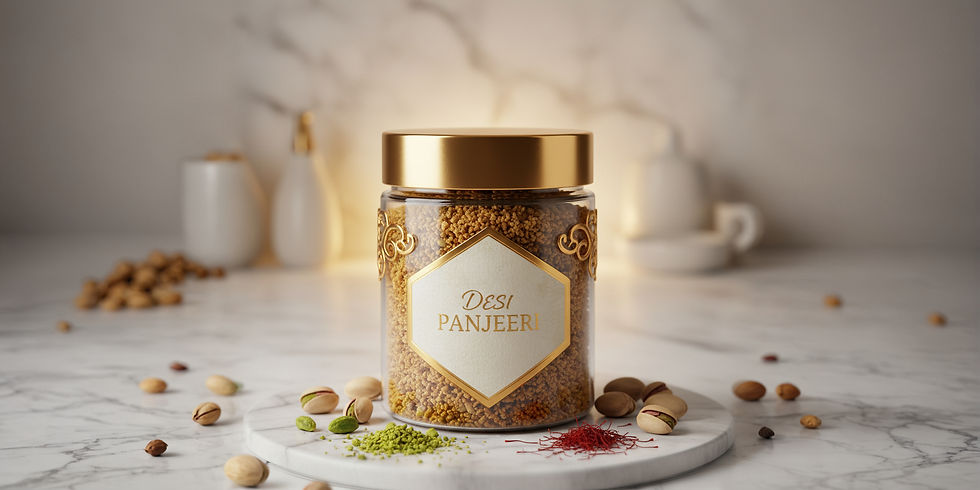
A jar of Panjeeri, for example, becomes more than a cultural item—it becomes a premium wellness product backed by heritage.
6. Avoiding Cultural Tokenism: What Not To Do
Authenticity must be genuine, not theatrical. Brands should avoid:
Overly exaggerated cultural symbols
Appropriation of rituals without understanding
Misrepresenting traditions for marketing
Using culture as decoration without meaning
Making health claims not supported by history
True cultural branding honours the root, context, and people behind the tradition.
7. The Business Advantage: Trust = Growth
Cultural branding does more than create emotional connection—it drives measurable success.
Higher customer loyalty
People return to brands that feel familiar and emotionally meaningful.
Higher willingness to pay
Authentic ingredients, heritage preparation, and cultural storytelling justify premium pricing.
Stronger word-of-mouth
Customers proudly recommend brands that feel tied to identity and family.
Community building
Cultural brands often develop strong digital communities around traditions, rituals, and shared memories.
International appeal
Non-South Asians are increasingly drawn to cultural foods for their natural, functional, and time-tested benefits.

8. The Future of Cultural Wellness Branding
The future is bright for brands that combine tradition with transparency and modern aesthetics.We will see more:
Premium heritage products
Minimal yet culturally rooted packaging
Digital storytelling around rituals
Identity-driven brand communities
Global recognition of traditional wellness
As consumers continue to value authenticity, cultural branding will remain a powerful differentiator.
Brands that respect their roots, honour their heritage, and stay true to traditional values will not only stand out—they will build unshakeable trust.
Disclaimer
This blog is intended for branding and educational purposes only. It does not provide medical or nutritional advice. Individuals with health conditions or allergies should consult a professional before consuming any traditional wellness foods.


Comments