
Sustainable Packaging for Traditional Foods: A New Standard
- Desi Panjeeri Team

- Nov 20, 2025
- 4 min read
In the world of food and wellness, a major shift is happening. Consumers today expect more than just good taste—they want transparency, sustainability, and mindful choices behind every product they buy. Traditional foods, once known only through handwritten recipes, household jars, and family kitchens, are now stepping into the modern market with a renewed sense of responsibility.
And at the heart of this transformation lies one powerful concept: sustainable packaging.
Whether it’s Panjeeri, herbal teas, pickles, mithai, or artisanal spice blends, heritage foods are receiving a modern makeover through eco-conscious branding. The goal is simple: preserve cultural authenticity while reducing environmental impact. For many small businesses, this is no longer optional—it's becoming the new industry standard.
1. Why Sustainable Packaging Matters for Traditional Foods
The demand for sustainability is not a trend; it’s a global movement. Today’s customers, especially younger generations, place high value on:
Ethical sourcing
Low-waste lifestyles
Recyclable or reusable packaging
Honest, clean branding
Traditional foods already have a powerful story rooted in culture, health, and heritage. When combined with eco-conscious packaging, this story becomes stronger and more relevant in the modern world.
Sustainable packaging helps brands:
Communicate values like authenticity and care
Reduce environmental footprints
Improve customer trust
Stand out in competitive markets
Appeal to health-conscious and eco-aware consumers
For diaspora communities in the UK, Europe, and North America, sustainable packaging also adds a sense of pride—showcasing cultural products in packaging that meets global standards.
2. From Plastic to Purpose: How Packaging Is Changing
For decades, traditional foods were stored in plastic pouches, foil wraps, or non-degradable containers. But sustainability is now influencing every stage of the packaging journey.
Recyclable Glass Jars
Glass offers:
Premium feel
Reusability
No chemical leaching
Aesthetic value perfect for gifting
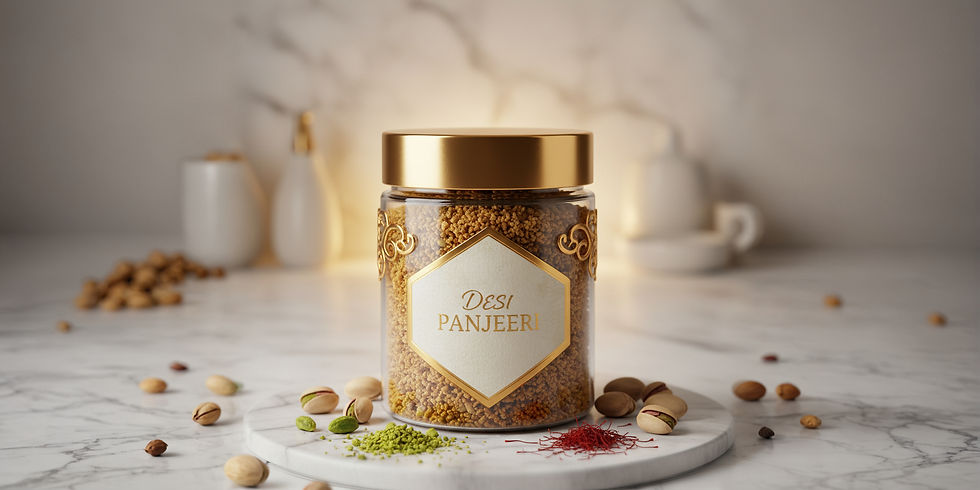
Panjeeri, ghee-based snacks, herbal powders, and spice mixes look more luxurious and trustworthy in glass packaging. It aligns perfectly with modern clean-label branding.
Kraft Paper and Compostable Pouches
These are lightweight, affordable, and environmentally friendly.Many artisanal brands now use:
Kraft pouches with transparent windows
Plant-based laminates
Compostable zip-lock bags
They strike a balance between sustainability and convenience without losing the rustic charm of traditional foods.
Minimal or Zero-Waste Packaging
Some businesses promote:
No excess wrapping
Simple labels
Refill systems
Encourage jar returns or discounts
This trend appeals to eco-minimalists and conscious consumers looking to reduce waste.

3. Sustainability as a Branding Advantage
Eco-conscious packaging has become a powerful branding tool—especially for traditional food businesses that want to appeal to modern audiences.
Telling a Story Through Packaging
Packaging is no longer just functional; it’s a storytelling platform.Brands can highlight:
Cultural heritage
Ingredient sourcing
Handmade or artisanal processes
Family recipes
Environmental commitments
When a customer picks up a jar of Panjeeri wrapped in a simple, earthy label made from recycled paper, it conveys care, authenticity, and honesty.
Modern Minimalism Meets Cultural Identity
Today's design language prefers:
Clean labels
Muted tones
Simple typography
Natural textures
But with traditional foods, designers also preserve cultural elements through:
Subtle patterns
Regional motifs
Heritage colours
Calligraphy-style fonts
This fusion of modern minimalism + cultural identity creates a premium, global-ready brand image.
4. Meeting Global Market Expectations
As traditional foods enter international markets, sustainable packaging becomes a necessity—not just an option.
Countries like the UK, EU nations, and Canada have strict regulations around:
Packaging materials
Waste reduction
Labelling transparency
Recyclability
Eco-friendly packaging helps brands meet these standards while increasing their appeal to global consumers who value quality and sustainability.
For businesses selling Panjeeri, spices, or wellness snacks to diaspora communities, sustainable packaging signals:
Professionalism
Trustworthiness
Hygiene
Export readiness
This expands the market beyond local customers to international buyers and specialty stores.

5. Consumer Behaviour and the Sustainability Shift
Consumers today do not just look at the product—they look at:
How it’s packed
Whether it aligns with their lifestyle
How easily it can be reused, recycled, or composted
Research shows that buyers are willing to pay more for products with sustainable, safe, and premium packaging.
For traditional foods, this is an opportunity to reposition themselves in the wellness industry.
What customers want:
Transparency: clear labels, natural materials
Quality: durable, premium packaging
Aesthetic appeal: minimal, modern, gift-friendly
Values: ethical, slow, mindful brands
When a brand chooses sustainable packaging, it moves from being “a food seller” to “a conscious label.”
6. Business Benefits for Small Traditional Food Brands
Adopting sustainable packaging brings multiple advantages:
Higher perceived value
Eco-friendly packaging makes products look more premium—even when the ingredients stay the same.
Better pricing power
Customers accept slightly higher prices for sustainable, artisanal foods.
Stronger brand identity
Clean, earthy, minimal packaging communicates quality, ethics, and authenticity.
Social media appeal
Aesthetic jars and kraft pouches perform well in:
Instagram Reels
Product flat-lays
Influencer partnerships
Pinterest boards
Repeat purchase behaviour
Reusable packaging (especially glass) forms long-term emotional connections with customers.
7. The Future: Sustainable, Smart, and Culturally Proud
The future of traditional food branding lies in a balance of:
Cultural authenticity
Modern eco-friendly materials
Digital-ready aesthetics
Transparent storytelling
We will continue to see:
QR codes linking to recipe stories
Refillable jars
Zero-waste gift hampers
Limited-edition seasonal packaging
Plant-based labels
Biodegradable adhesives and inks
Traditional foods are not just evolving in taste or presentation—they are evolving in purpose. This blend of heritage and sustainability is defining a new generation of wellness brands.
Disclaimer
This blog is for informational and branding inspiration purposes only. It does not provide nutritional or medical advice. Individuals with dietary concerns, allergies, or health conditions should consult a qualified professional before consuming any new food products.


Comments