
Eating Clean Without Counting Calories: Where Panjeeri Fits In

Clean eating has become one of the most popular approaches to health and wellness — yet for many people, it has quietly turned into another form of restriction. Food labels are scrutinised, calories are tracked, and meals are judged more by numbers than nourishment.
But eating clean was never meant to be about counting calories. At its core, it is about choosing foods that are whole, minimally processed, and supportive of long-term health. This is where traditional foods like panjeeri naturally fit in — long before calorie tracking apps even existed.
What “Clean Eating” Really Means
Clean eating is often misunderstood as eating less. In reality, it is about eating better. Clean foods are those that are close to their natural state, free from unnecessary additives, and rich in nutrients the body can recognise and use efficiently.
Traditional diets across South Asia followed this principle intuitively. Ingredients were selected for their functional value — energy, warmth, digestion, strength — not for how few calories they contained. Panjeeri is a prime example of this philosophy in practice.
Why Counting Calories Isn’t Always Helpful
Calories are simply a unit of energy. They do not measure food quality, nutrient density, or how a food interacts with hormones, digestion, and satiety.
Two foods with the same calorie count can have vastly different effects on the body. A processed snack may spike blood sugar and leave you hungry again within an hour, while a nutrient-dense food can keep you satisfied, energised, and mentally focused for much longer.
Over-focusing on calories can also disconnect people from hunger cues and create anxiety around eating. Clean eating, in contrast, encourages trust in food quality rather than numerical limits.
What Makes Panjeeri a Clean Food?
Panjeeri is traditionally made from a small number of whole ingredients such as whole-grain flour, nuts, seeds, natural sweeteners, and healthy fats. There are no artificial flavours, preservatives, or synthetic additives.
Each ingredient serves a purpose:
Whole grains provide slow-release energy
Nuts and seeds supply healthy fats, minerals, and plant protein
Natural fats support hormone health and nutrient absorption
Natural sweetness offers energy without excessive refinement
This combination makes panjeeri nutritionally dense — meaning you get more nourishment per bite.

Understanding Panjeeri and Calories (Without Obsession)
Yes, panjeeri contains calories — and that is not a flaw. Those calories come from fats, complex carbohydrates, and natural sugars that the body uses for sustained energy.
Unlike ultra-processed foods, panjeeri’s calories are paired with fibre, fats, and micronutrients that slow digestion and reduce blood sugar spikes. This is why a small portion can feel deeply satisfying.
Instead of asking, “How many calories does this have?” a better question is, “How long will this fuel me?” With panjeeri, the answer is often several hours of steady energy and reduced cravings.
Satiety Over Restriction
One of the biggest challenges with modern dieting is constant hunger. Low-calorie foods may appear virtuous, but they often lack the fats and nutrients needed for satiety.
Panjeeri supports fullness naturally. Healthy fats signal satiety hormones, while complex carbohydrates provide slow, stable energy. This combination helps reduce mindless snacking and emotional eating.
When the body feels nourished, it is less likely to crave quick fixes like sugar or caffeine.
Clean Eating for Busy Lifestyles
Clean eating does not require elaborate meal prep or expensive “health” products. Traditional foods like panjeeri were designed for busy lives — offering concentrated nourishment in small portions.
Whether eaten at breakfast, as a midday energy boost, or alongside a light meal, panjeeri fits seamlessly into modern routines. It requires no blending, cooking, or supplementation.
This simplicity is part of what makes it a sustainable clean-eating option.
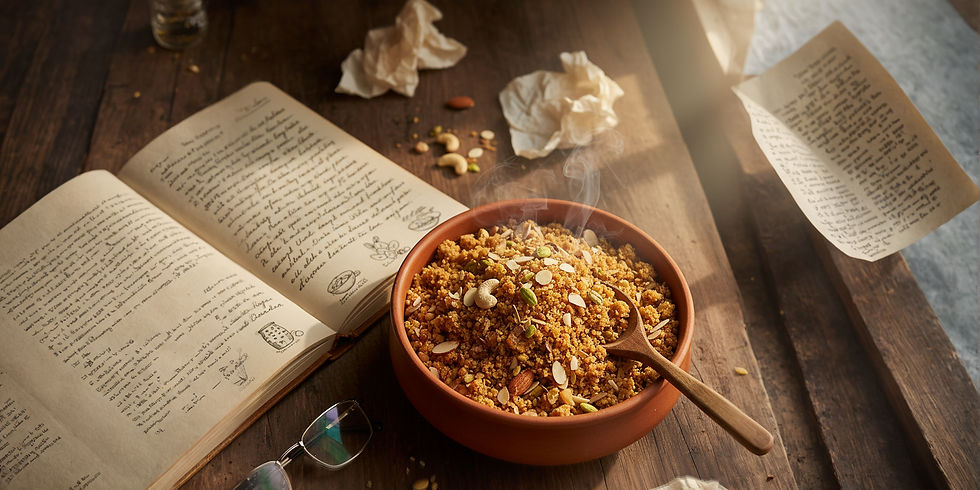
Cultural Wisdom Meets Modern Wellness
Long before nutrition science studied macronutrients and gut health, traditional diets already reflected this knowledge through experience. Panjeeri was never marketed as a “diet food” — it was a strength food.
Today, as more people move away from extreme restriction and towards intuitive eating, panjeeri feels surprisingly modern. It aligns with current wellness values: nourishment, balance, and respect for the body.
Who Benefits Most from Panjeeri?
Panjeeri can be especially helpful for:
People trying to eat clean without tracking apps
Those seeking steady energy rather than quick sugar highs
Individuals recovering from restrictive dieting
Anyone wanting nutrient-dense food in small portions
It is not about eating less — it is about eating right.
Final Thoughts: Clean Eating Without Fear
Clean eating should feel grounding, not stressful. It should reconnect you with food, not reduce it to numbers on a screen.
Panjeeri reminds us that nourishment does not need to be complicated or modern to be effective. By focusing on food quality rather than calorie counts, clean eating becomes intuitive, satisfying, and sustainable.
Disclaimer
This article is for informational purposes only and does not constitute medical or nutritional advice. Individual dietary needs vary. Please consult a qualified healthcare professional or registered nutritionist before making significant changes to your diet, especially if you have underlying health conditions.


Comments